Artikel: How to Choose Art Prints for a Retirement Gift
How to Choose Art Prints for a Retirement Gift
The best art prints for a retirement gift recognize a person’s interests, not simply the job they are leaving. A vintage transport poster might recall a cycling holiday, a fascination with engineering or a long-held plan to travel. That connection makes the gift feel personal rather than ceremonial.
Retirement also changes where a gift will live. Instead of choosing something for an office farewell photograph, think about the home, reading corner or hobby room where the recipient will actually enjoy it. Start with their story, then consider the artwork, size and presentation.
Start With the Person, Not the Retirement Milestone
A career can provide a meaningful starting point, but it should not become the entire brief. Someone retiring from railway work may love transport history, or they may prefer a picture that celebrates something completely unrelated to work.
Ask a partner, friend or family member about the recipient’s favorite objects, places and pastimes. A specific memory is more useful than a broad description such as “likes vintage things.” Knowing that they collect early cycling memorabilia gives you a clearer direction.
Use these distinctions to narrow your choice:
| Personal connection | What to look for | What to avoid |
|---|---|---|
| A much-loved career | A subject they genuinely enjoy beyond work | Assuming their occupation defines their taste |
| A lifelong hobby | An accurate, recognizable subject | Choosing a vehicle or era at random |
| A shared memory | Imagery connected to a trip or experience | A reference that needs a lengthy explanation |
| Future plans | A subject linked to an expressed ambition | Making assumptions about their retirement lifestyle |
Meaningful art prints do not need to announce “retirement” on the wall. A personal inscription on a separate card can mark the occasion while leaving the artwork suitable for everyday display.
Choose a Subject With a Story Worth Sharing
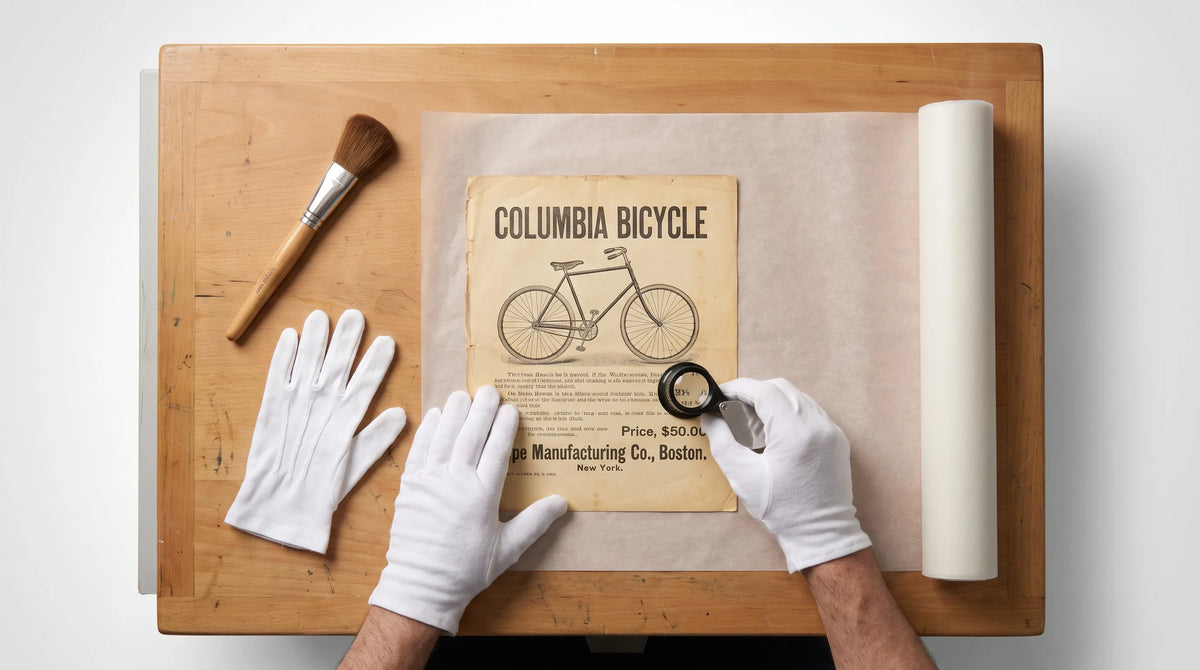
For someone interested in early transport, historic advertising offers more than a picture of a machine. It shows how people imagined mobility when bicycles, motorcycles and motorcars were changing everyday life.
The Vintage Fabrique Nationale Art Nouveau Advertising Poster is a relevant example. Its composition features an elegant woman standing behind an early motorized bicycle, bringing together transport history and decorative advertising.
Fabrique Nationale was founded in Herstal, Belgium, in 1889 and later expanded into bicycle and motorcycle production. That history gives the subject particular appeal for someone who enjoys the development of engineering, rather than only the performance figures of modern vehicles.
Why Art Nouveau Broadens the Appeal
Art Nouveau flourished around the turn of the twentieth century, bringing flowing lines, organic forms and decorative lettering into architecture, illustration and commercial design. Advertising became a place where practical products could be presented with artistic ambition.
This makes the poster worth considering for a design enthusiast as well as a transport collector. When choosing art prints for someone whose interests overlap, look for that combination: a subject they recognize and a visual style they would welcome at home.
Include a short note explaining why you chose it. “This reminded us of your enthusiasm for early motorcycles” will usually mean more than a generic message about having extra leisure time.
How Art Prints Can Fit the Recipient’s Home
A thoughtful subject still needs a suitable setting. Before choosing a size, find out whether the intended room is quiet and minimal, filled with books and collectibles or shared with someone whose taste differs.
For the Fabrique Nationale design, let the actual product image guide your color choices. Identify one or two tones in the artwork and relate them to existing cushions, upholstery or accessories. Avoid choosing a frame from memory or assuming every vintage poster has the same warm, muted palette.
In a contemporary interior, a restrained frame can allow decorative advertising to become the focal point without making the entire room feel period-themed. In a reading corner, it can sit comfortably near books about travel, design or engineering.
If the recipient shares their living space, consider their household’s preferences too. Transit Art’s guide to choosing wall art when tastes differ offers a useful way to think about shared visual ground.
Check the Wall Before Choosing the Size
Measure the available wall area and consider the furniture beneath it. A print that seems generous on a product page may look small above a wide sideboard, while an oversized frame can crowd a narrow nook.
A paper template is a practical test if you can discreetly access the room. Remember that the frame and mat, if used, add to the finished dimensions. Check the specific product’s available sizes before making a framing plan.
For a surprise gift, one well-chosen piece is often easier to accommodate than an entire gallery wall. A coordinated set is better reserved for someone who has asked for one or helped choose it.

Assess Quality Without Relying on Marketing Labels
A retirement present often carries lasting emotional value, so examine the product information rather than judging only the room photograph. Look for stated dimensions, paper information, finish and a clear explanation of what is included.
Transit Art describes its poster range as using FSC-certified paper with a gallery-quality finish. FSC certification relates to responsible forest sourcing; it does not, by itself, establish ink longevity, paper weight or conservation performance. Check the individual listing for the specifications that matter to your purchase.
When comparing art prints, distinguish the image’s historical age from the physical print’s age. A newly produced reproduction of vintage advertising is not an original period poster. Likewise, an open-edition print is different from a numbered limited edition. Neither format needs to be rare to make a meaningful gift, but the description should be clear.
Screen settings and room lighting can also affect how colors appear. Avoid promising an exact match to an existing fabric based solely on a phone image.
For a group-funded present, compare the complete cost rather than the print price alone. Transit Art’s explanation of what determines the price of a print provides context for materials, dimensions and framing expenses.
Plan the Frame, Delivery and Farewell Presentation
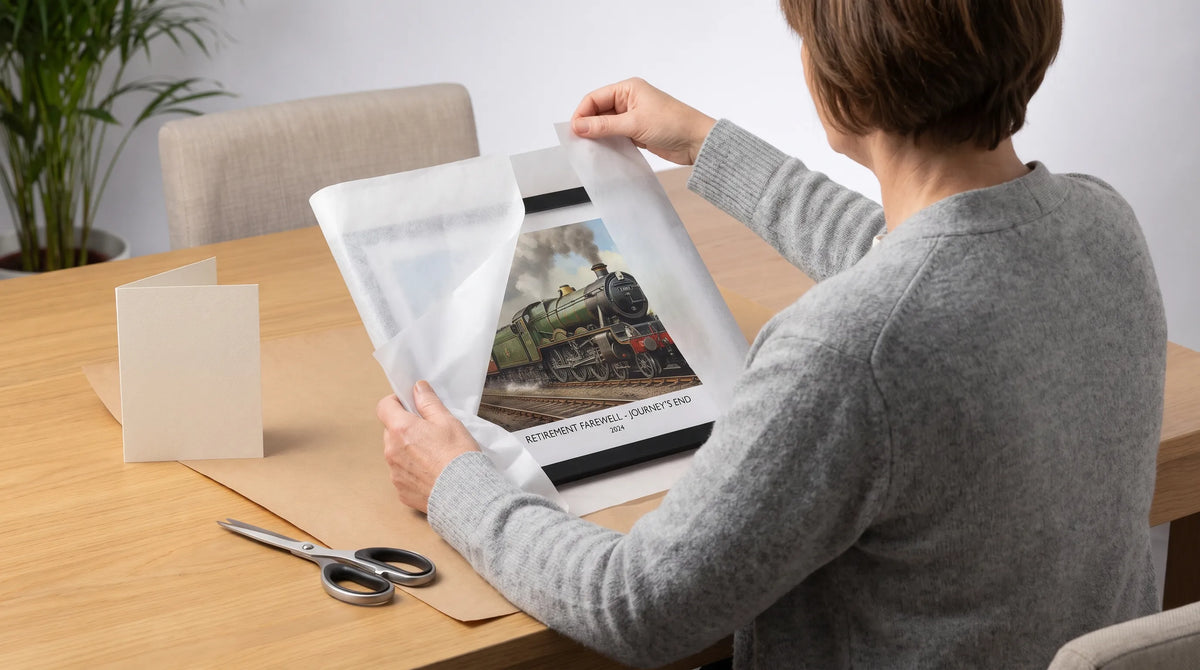
Framing can turn a carefully selected print into a gift that is ready to enjoy, but it also commits the recipient to a particular finish. If you know their interior well, choose accordingly. If not, an unframed print with an offer to contribute toward framing gives them more control.
Confirm whether the product listing includes a frame rather than assuming one shown in a room photograph comes with the order. For separate framing, ask the framer about suitable mounting materials and glazing, especially if the intended position receives strong daylight.
Order art prints with enough time to inspect them before the farewell. Check the stated delivery information and return conditions before paying, particularly if the gift must arrive for a fixed event. On arrival, inspect the packaging and print promptly, retaining the packaging until you know everything is in order.
For a workplace collection, appoint one person to coordinate the purchase and keep the gift receipt separate from the presentation card. Put colleagues’ messages in a card or small booklet rather than writing on the artwork or its backing.
At the farewell, explain the personal connection briefly. The recipient should hear why the image reminded everyone of them, not a sales description of the materials.
Frequently Asked Questions
Is a career-related picture a good retirement gift? It can be, provided the recipient enjoys that subject outside work. If their feelings about leaving are mixed, a hobby, shared memory or future interest may be a more comfortable choice.
Should I give a framed or unframed print? Choose framed when you know the recipient’s taste, wall space and preferred finish. An unframed print is more flexible, especially when the recipient wants to select their own frame.
How much should a retirement print cost? Set a budget that includes the print, any framing, delivery and presentation. Personal relevance matters more than spending the entire collection fund on the largest available size.
Is vintage advertising suitable for someone who is not a transport enthusiast? Yes, if they appreciate its design, typography or historical character. Choose the image for their established taste rather than assuming a vintage style will suit everyone.
Give Them Something That Feels Like Theirs
The most successful retirement art prints connect a recognizable interest with a place in the recipient’s everyday life. They acknowledge the occasion without turning the home into a display about a former job.
Start with one genuine connection, confirm the available wall space and choose a presentation that leaves room for personal taste. For someone drawn to early mobility and decorative design, the Fabrique Nationale poster offers a specific story to share. Let that story, rather than the retirement label, guide the gift.